OPTM Healthcare Delhi — AI-Powered Pain Management Clinic
OPTM Healthcare is Delhi's leading AI-powered, non-surgical pain management clinic. Using advanced biomarker diagnostics and natural phytotherapy, we achieve 94–97% success rates across 30+ musculoskeletal conditions — without surgery, steroids, or dependency-forming drugs.
Located at F-38 South Extension-1, New Delhi 110049. Phone: +91-11-4059-5555
Conditions We Treat Non-Surgically in Delhi
- best pain management clinic in delhi
- knee pain treatment delhi
- chronic back pain doctor delhi
- avoid knee surgery delhi
- best arthritis doctor south extension
- sciatica treatment in delhi
- non surgical knee replacement delhi
- ai pain diagnosis india
- natural pain relief delhi
- physiotherapy for knee pain delhi
- frozen shoulder treatment delhi
- slipped disc treatment delhi
- osteoarthritis specialist delhi
- pain management doctor near me
- best orthopedic alternative delhi
Why Choose OPTM Healthcare Delhi?
- AI biomarker testing reveals the exact root cause of your pain — 97% diagnostic accuracy
- Natural phytotherapy protocols eliminate chronic pain without surgery or injections
- 96% of knee osteoarthritis patients avoid knee replacement surgery
- Treat 30+ conditions: knee OA, slipped disc, sciatica, frozen shoulder, sports injuries
- Comprehensive ₹990 assessment includes AI diagnosis, biomarker analysis, and treatment plan
- Founded by Dr. Apurba Ganguly with 45+ years of musculoskeletal medicine expertise
OPTM Healthcare Kolkata — AI-Powered Pain Management Clinic
OPTM Healthcare is Kolkata's leading AI-powered, non-surgical pain management clinic. Using advanced biomarker diagnostics and natural phytotherapy, we achieve 94–97% success rates across 30+ musculoskeletal conditions — without surgery, steroids, or dependency-forming drugs.
Located at 145 Rash Behari Avenue, Gariahat, Kolkata 700029. Phone: +91-33-4008-5555
Conditions We Treat Non-Surgically in Kolkata
- best pain clinic kolkata
- knee pain specialist kolkata
- chronic pain treatment kolkata
- arthritis doctor gariahat
- back pain specialist kolkata
- avoid knee replacement surgery kolkata
- natural healing clinic kolkata
- ai biomarker testing kolkata
- physiotherapy clinic kolkata
- sciatica doctor kolkata
- frozen shoulder treatment kolkata
- sports injury clinic kolkata
- pain management near gariahat
- best joint pain doctor kolkata
- non surgical pain relief kolkata
Why Choose OPTM Healthcare Kolkata?
- AI biomarker testing reveals the exact root cause of your pain — 97% diagnostic accuracy
- Natural phytotherapy protocols eliminate chronic pain without surgery or injections
- 96% of knee osteoarthritis patients avoid knee replacement surgery
- Treat 30+ conditions: knee OA, slipped disc, sciatica, frozen shoulder, sports injuries
- Comprehensive ₹990 assessment includes AI diagnosis, biomarker analysis, and treatment plan
- Founded by Dr. Apurba Ganguly with 45+ years of musculoskeletal medicine expertise
OPTM Healthcare Panchkula — AI-Powered Pain Management Clinic
OPTM Healthcare is Panchkula's leading AI-powered, non-surgical pain management clinic. Using advanced biomarker diagnostics and natural phytotherapy, we achieve 94–97% success rates across 30+ musculoskeletal conditions — without surgery, steroids, or dependency-forming drugs.
Located at 1003 Sector 11, Panchkula, Haryana 134109. Phone: +91-99886-23407
Conditions We Treat Non-Surgically in Panchkula
- pain management clinic panchkula
- knee pain treatment panchkula
- chronic pain doctor panchkula
- arthritis treatment panchkula
- back pain clinic sector 11 panchkula
- avoid surgery panchkula
- natural pain relief haryana
- ai pain diagnosis chandigarh
- physiotherapy panchkula
- sciatica treatment haryana
- best pain doctor panchkula
- knee osteoarthritis panchkula
- sports injury panchkula
- pain clinic near chandigarh
- alternative medicine panchkula
Why Choose OPTM Healthcare Panchkula?
- AI biomarker testing reveals the exact root cause of your pain — 97% diagnostic accuracy
- Natural phytotherapy protocols eliminate chronic pain without surgery or injections
- 96% of knee osteoarthritis patients avoid knee replacement surgery
- Treat 30+ conditions: knee OA, slipped disc, sciatica, frozen shoulder, sports injuries
- Comprehensive ₹990 assessment includes AI diagnosis, biomarker analysis, and treatment plan
- Founded by Dr. Apurba Ganguly with 45+ years of musculoskeletal medicine expertise
Non-Surgical Knee Pain Treatment in India | Avoid Knee Replacement | OPTM Healthcare. Best non-surgical knee treatment for knee osteoarthritis, cartilage damage, and chronic knee pain. AI-powered diagnosis + phytotherapy. 89% of patients avoid knee replacement surgery. Clinics in Delhi, Kolkata, and Panchkula.
Still In Pain After Years of Treatment?
There's a Reason — And a Fix.
Pills, injections, repeat visits — none fix the underlying muscle degeneration destroying your joints. We do. 100,000+ patients healed. 35 years of research. Zero surgery.
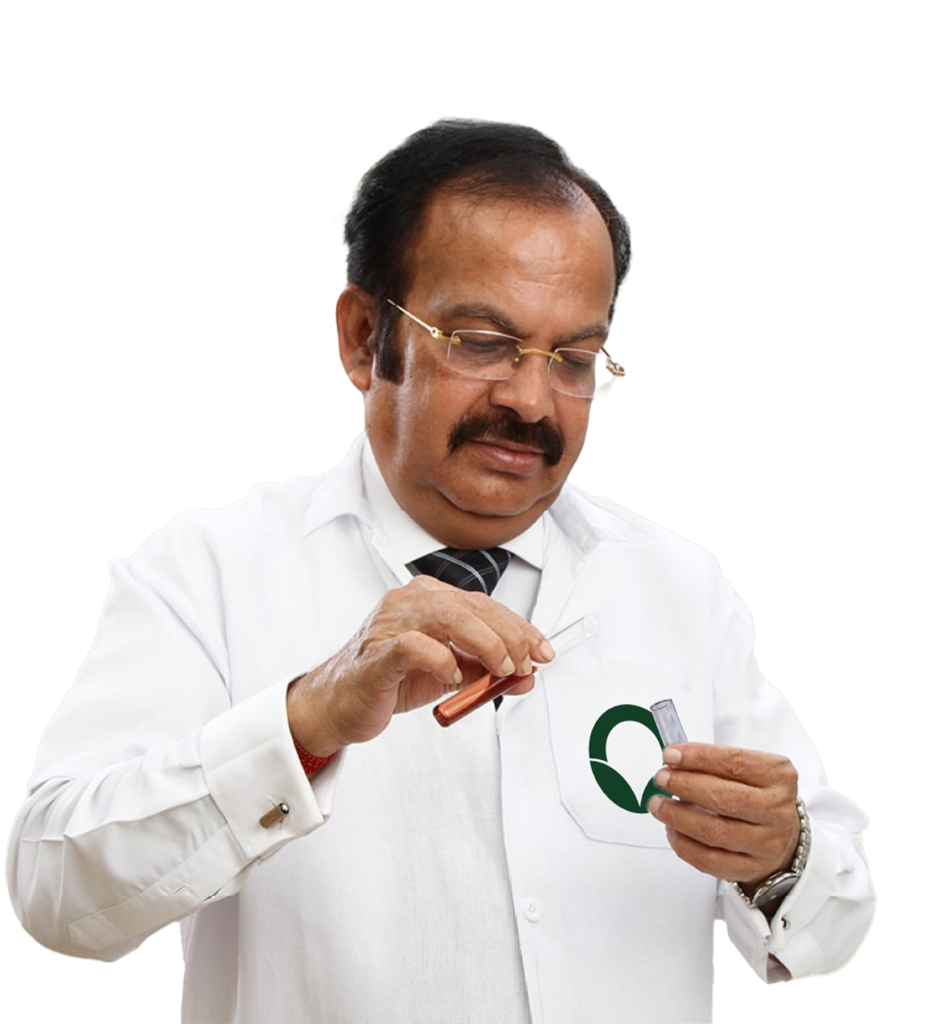
We Don't Treat Pain. We Eliminate Its Root Cause.
Think of your pain like a fire alarm going off. Most treatments throw water on the alarm — they silence the noise. We find where the fire actually started. That's why our results last. Available at our clinics in Delhi - South Extension, Kolkata - Gariahat, and Panchkula - Sector 11.
Includes AI Biomarker Test + Expert Consultation + Personalised Report — All for ₹990
Awards and Recognitions

"Best Medical Practice"
- European Medical Association
"Outstanding Research in NanoPhyto Medicine"
- Ministry Of AYUSH, Govt. of India

"Member & Contributor"
- American Academy of Pain Medicine

"Asia's Most Promising Brand"
- Consumer Choice Award
"Best Medical Practice"
- European Medical Association
"Outstanding Research in NanoPhyto Medicine"
- Ministry Of AYUSH, Govt. of India
"Member & Contributor"
- American Academy of Pain Medicine
"Asia's Most Promising Brand"
- Consumer Choice Award
"Best Medical Practice"
- European Medical Association
"Outstanding Research in NanoPhyto Medicine"
- Ministry Of AYUSH, Govt. of India
"Member & Contributor"
- American Academy of Pain Medicine
"Asia's Most Promising Brand"
- Consumer Choice Award
The System Is Designed to Keep You Coming Back — Not Getting Better.
Look, we're not here to bash doctors. Most are brilliant, hardworking people doing their best within a broken system. But here's the brutal truth: conventional medicine treats chronic pain like a plumbing problem — when the pipe leaks, they tape it. They don't ask why it's leaking. Painkillers. Injections. Surgery. Repeat. That's not a treatment plan. That's a subscription model for misery.
The Number That Should Shock You
Published research in Pain journal shows that 60-70% of chronic pain patients receive fragmented, ineffective treatment — not because medicine doesn't have better answers, but because the better answers aren't profitable enough to mainstream. Meanwhile, you're being told the knife is your only option. It isn't.
Painkillers & NSAIDs
You take them, the pain dulls for a few hours, then it's back — often worse. Meanwhile, your gut lining is paying the price. NSAIDs don't fix anything. They're a mute button on a smoke alarm.
Cortisone Injections
The first shot feels like a miracle. The second, less so. By the third, you're back to square one — except now the cartilage has thinned further because corticosteroids accelerate tissue breakdown over time.
Total Knee / Spine Surgery
Surgeons won't tell you this: up to 30-40% of knee replacements result in persistent pain or require costly revision surgery within 10 years. And none of them address why the joint failed in the first place.
The Real Villain? It's Not Your Joints.
After 35+ years of research and 100,000+ patients, Dr. Apurba Ganguly's team discovered something conventional medicine keeps missing: your joints don't fail on their own. It's the muscles surrounding them that degenerate first — a condition called MD-OADs (Muscular Dystrophy during Osteoarthritic Disorders). When the muscles lose strength, they stop protecting your joints. The joint takes on abnormal load. Cartilage breaks down. Pain follows. Fix the muscle — and you fix the joint. It really is that logical.
How It Works: Our 4-Step Data-Driven Process
Customized to restore movement and vitality, our scientifically-validated protocol addresses the root cause of chronic pain for lasting relief.
Assess (AI Diagnosis)
Deep Muscle & Joint Analysis
Gain Deep Insights into Your Health
Our AI-driven analysis and advanced biomarker testing reveals your muscle age, inflammation levels, and mobility patterns. This comprehensive assessment identifies the root cause your MRI missed.
- 40+ biomarkers analyzed by AI
- Muscle Age determination
- Inflammation pattern mapping
- Metabolic dysfunction identification
Plan (Precision Action)
Personalized Treatment Blueprint
Your Dedicated Program Doctor Creates Your Strategy
Based on your AI diagnosis, your dedicated Program Doctor generates personalized strategies to enhance muscle strength and joint function with a clear healing timeline.
- Detailed result explanation
- Personalized protocol design
- Clear healing timeline (42-90 days)
- Prevention strategies
Treat (Phyto Medicine Application)
Targeted Natural Therapy
Topical Treatment for Deep Cellular Repair
Targeted Phyto Medicine is applied topically using specialized techniques (manual, wooden roller, pulse-therapy) in specific postural positions to nourish damaged nerves and muscles in the legs and lumbar regions.
- Natural plant-based compounds applied topically
- Specialized application techniques
- Specific postural positioning (supine, prone, contralateral)
- Zero side effects - no oral medication
Optimize (Movement RX)
Long-term Wellness & Prevention
Personalized Mobility & Strength Solutions
Follow personalized mobility and strength solutions to prevent injuries and ensure long-term physical wellness. Regular monitoring ensures sustained pain relief.
- Regular progress monitoring
- Treatment plan adjustments
- Preventive care protocols
- Lifestyle optimization guidance
The Science Sounds Complex.The Results Are Simple:We Give You A Pain‑Free Life.
Here's the thing about science — it doesn't need to be complicated to be powerful. Over 35+ years of research into muscle biology, Dr. Apurba Ganguly's team cracked a code that mainstream medicine was too busy to look for: chronic pain almost always starts in your muscles, not your joints. Their breakthrough OPTM Protocol — recognised by the Ministry of AYUSH and published in NIH-indexed international journals — uses plant-derived molecules to literally rebuild what your body has been losing. No scalpels. No steroids. Just biology doing what it was always meant to do.
Biomarker Innovations
Advanced muscle aging analysis through 40+ biomarkers
Clinical Success Rate
97% diagnostic accuracy verified in clinical trials
Patient Transformations
100,000+ patients treated successfully without surgery
Skeptical? Good. We'd Rather Prove It Than Pitch It.
We don't ask you to believe us. We ask you to come in for ₹990, let our AI run 40+ biomarker tests on your blood, and see with your own eyes what's actually driving your pain. Then we'll talk. Most patients walk out of that first session understanding their body better than they have in years — and finally feeling hope.
Advanced Pain Management Research in India
Dr. Apurba Ganguly's breakthrough research focuses on:
- AI-powered biomarker diagnostics for chronic pain
- Development of novel phytoactive-molecules for natural pain relief
- Cartilage biology with emphasis on regeneration pathways
- Non-surgical treatment protocols for musculoskeletal disorders
- Advanced muscle aging analysis and regenerative therapy
International Recognition and Accolades
Clinical Studies Listed in Indexed Journals (NIH), Honoured with 'Rose of Paracelsus' by EMA, Accredited by Ministry of AYUSH Government of India
Research Team Excellence
Dr. Apurba Ganguly PhD Biochemistry, Dr. Dipti R. Kamath MBES MROEM, Dr. Chirag Dilal MS ORTHD leading India's most advanced pain management research
Chosen by Most Prestigious Names in India
When India's top industrialists, political leaders, and business magnates trust their health to someone, you know it's exceptional. OPTM Healthcare has been the preferred choice for elite families across generations.
Join India's Leaders in Choosing OPTM
Experience the same revolutionary pain management trusted by industry titans, political leaders, and global dignitaries.
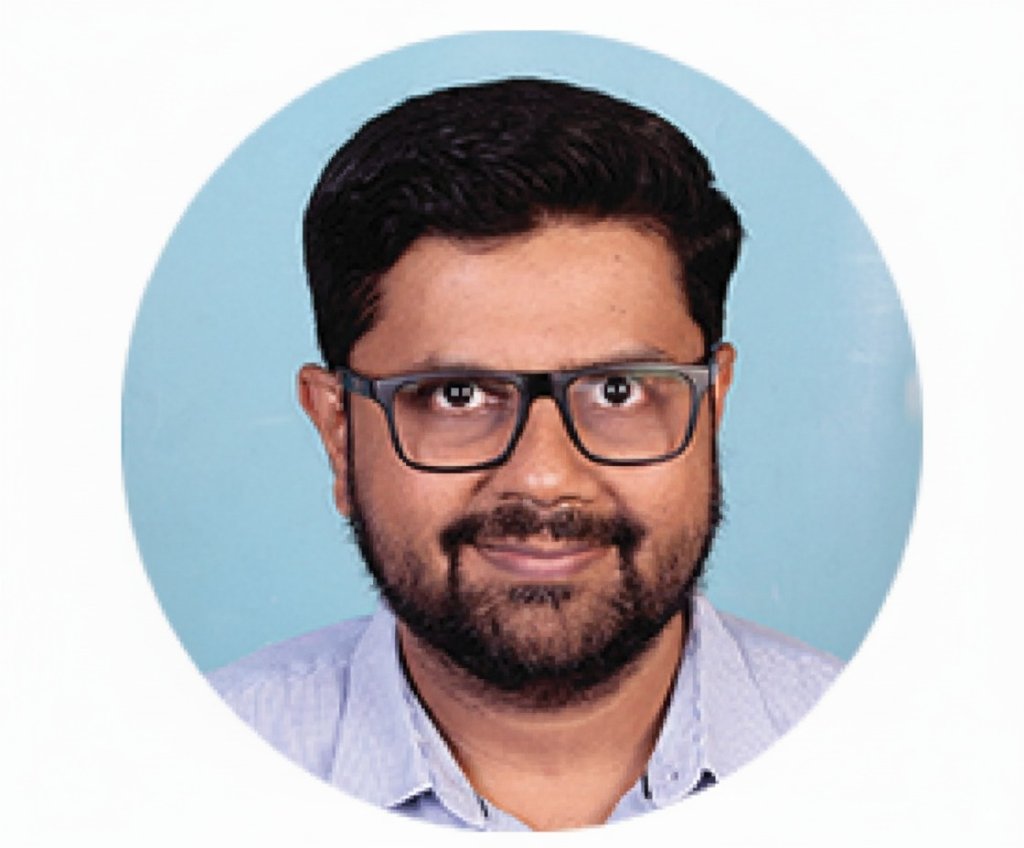
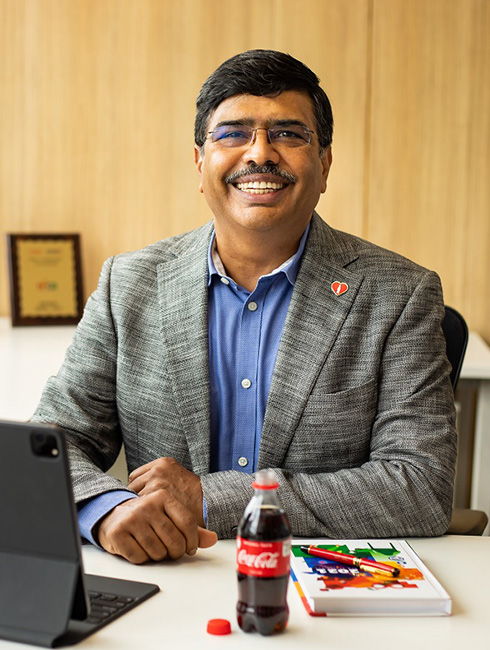
Backed by Industry Giants & Medical Pioneers
Our revolutionary pain management protocols are guided by distinguished leaders from healthcare, technology, and business sectors who ensure world-class standards in every treatment.
← Swipe or tap arrows to flip pages →
Questions You Actually Want Answered
We get it — you've been through a lot. You deserve straight answers, not corporate-speak. So here they are.