Degenerative Disc Disease Treatment
Degenerative disc disease sounds terrifying. It isn't a disease, and it isn't a life sentence. It's what happens when the muscles holding your spine together weaken silently over years — until one day the disc gives way and takes the blame. Fix the muscles, and the disc heals. Our AI finds exactly which ones are failing. 96% of patients avoid surgery.
94% of degenerative disc disease patients avoid surgery with OPTM's protocol. Degenerative disc disease — progressive breakdown of spinal discs causing chronic back pain, stiffness, and nerve compression — is treated at OPTM using AI biomarker diagnostics to identify inflammatory and muscular drivers, then phyto-molecular therapy restores disc health and reduces nerve inflammation without surgery.
If Your Back Pain Has Been Going On for More Than 3 Months — This Is Exactly Why.
Look, you didn't get degenerative disc disease overnight. It built up quietly — years of weakening spinal muscles, poor posture, metabolic changes your GP never tested for. By the time the pain becomes unbearable, the structural damage is real. But here's what nobody tells you: the structural damage isn't what's causing 80% of your pain. The inflammation and muscle dysfunction around it is. And that, we can reverse.
Constant back or neck pain that limits your movement
Radiating pain into arms or legs due to nerve compression
Stiffness after sitting or lying down for extended periods
Failed physiotherapy providing only temporary relief
Fear of permanent disability or surgical intervention
The truth is that disc degeneration is not inevitable aging. The real cause is muscle weakness around the spine. When core and paraspinal muscles lose their strength, the discs bear abnormal load and break down faster. Restore the muscles, and the discs stop degenerating.
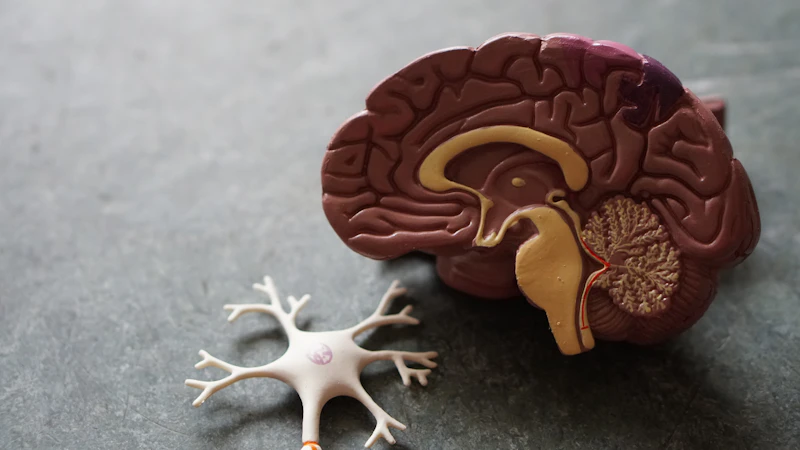
Symptoms of Degenerative Disc Disease
Causes of Disc Degeneration
Age-Related Disc Drying
After age 30, spinal discs progressively lose water content, becoming thinner, stiffer, and less able to absorb shock. This natural aging process is the primary cause of DDD.
Repetitive Mechanical Stress
Years of improper lifting, prolonged sitting, repetitive bending, and poor posture accelerate disc wear beyond normal aging.
Muscle Weakness
Weak core and back muscles force the spine to bear loads that muscles should handle, accelerating disc degeneration.
Smoking & Metabolic Factors
Smoking reduces blood supply to discs, accelerating degeneration. Obesity and diabetes also contribute to faster disc breakdown.
Acute Injury
A single traumatic event like a fall or car accident can initiate degenerative changes that progress over years.
Genetic Predisposition
Some individuals inherit genes that cause earlier or more rapid disc degeneration, regardless of lifestyle factors.
Non-Surgical Treatment Protocol & Recovery Timeline
AI Diagnostics & Planning
Comprehensive biomarker panel measuring inflammation, muscle age, and metabolic health. MRI review (if available). Physical exam and functional assessment. Personalised protocol generated.
Inflammation Reduction & Pain Relief
Pharmaceutical-grade phyto-molecular therapy targets disc inflammation. Pain reduces 40–60%. Mobility begins to improve. Sleep quality enhances.
Disc Matrix Support & Muscle Rebuilding
Collagen precursors and proteoglycan-supporting compounds promote disc matrix health. Movement RX strengthens core and paraspinal muscles to offload discs.
Functional Restoration
Advanced strengthening and proprioceptive training. Return to normal activities. Maintenance protocol established. Follow-up biomarker confirmation.
Cost of DDD Treatment
Initial Assessment — ₹990
- ✓ Head to Toe Checkup
- ✓ Head to Toe Diagnosis
- ✓ Consultation
- ✓ Registration Fees
Treatment Packages
- ✓ Custom-priced by condition severity
- ✓ All compounds and sessions included
- ✓ Biomarker monitoring throughout
- ✓ EMI options available
Frequently Asked Questions
While the disc tissue itself cannot be fully regenerated, our treatment can restore disc height, reduce inflammation, strengthen supporting muscles, and eliminate pain in 91% of cases. The goal is a pain-free, fully functional spine without surgery.
Most patients experience significant pain reduction within 3-4 weeks. Tissue regeneration and functional restoration continue over 12-16 weeks. Long-term results improve with adherence to maintenance protocols.
No. Our approach is completely non-invasive and drug-free. We use gentle manual therapy, natural phytotherapy, and targeted Movement RX exercises designed to be comfortable at every stage.
DDD is primarily caused by age-related loss of water and protein content in the discs, but is accelerated by poor posture, repetitive strain, smoking, obesity, and genetic factors.
Standard care offers painkillers, physiotherapy, or surgery. OPTM uses AI biomarker diagnostics to identify the molecular drivers of degeneration, then targets them with pharmaceutical-grade natural compounds and personalized rehabilitation.
Yes, we treat DDD at all three clinics: Delhi (South Extension), Kolkata (Gariahat), and Panchkula (Sector 11). All use the same advanced diagnostics and protocol.
What is Degenerative Disc Disease?
Degenerative Disc Disease (DDD) is not actually a disease, but a condition in which a damaged spinal disc causes chronic pain. It typically starts when the supporting paraspinal muscles become too weak to maintain the spinal structure, leading to accelerated wear and tear of the intervertebral discs.
Condition Prevalence & Success Stats
Clinical FAQ
Can a degenerated disc heal itself?
Yes, our protocol improves local blood flow, allowing natural restoration of disc height.
Is DDD always painful?
No. Pain occurs when the degradation causes nerve irritation or muscle strain.
When to Seek Treatment
Consult a Pain Specialist
- •Persistent lower back or neck pain lasting >6 weeks
- •Pain that worsens when sitting for long periods
- •Numbness or 'pins and needles' in your extremities
- •Noticeable loss of flexibility in the spine
Early intervention is critical for avoiding permanent structural damage.
You've Tried Everything Else. Try the One Thing That Actually Looks for the Root Cause.
For ₹990 — a complete AI biomarker assessment, an expert consultation, and a clear, honest treatment plan. No jargon. No pressure. Just answers you've been waiting for.
Seek Immediate Medical Care If:
These are emergency symptoms requiring urgent hospital evaluation. Do NOT delay.
- Sudden loss of bowel or bladder control
- Progressive weakness in both legs
- Severe, unrelenting pain not relieved by rest
- Numbness in the 'saddle area' (groin/perineum)
When Surgery May Be Necessary
OPTM Healthcare specializes in non-surgical alternatives. However, certain conditions may require surgical intervention. We provide honest assessment and appropriate referrals when needed.
Conditions that typically require surgical consultation:
- Cauda equina syndrome (medical emergency)
- Progressive neurological deficit despite conservative care
- Spinal instability with significant deformity
- Failed conservative treatment with documented progression
Note: We provide second opinions and work collaboratively with orthopedic surgeons when appropriate. Patient safety is our primary concern.
Important Medical Disclosures Required
You must inform our medical team during consultation if you have any of the following:
- Active pregnancy — requires medical clearance
- Blood thinning medications — full disclosure required
- Active infection or recent spine surgery (within 3 months)
- Severe uncontrolled systemic disease
Medication Interaction Notice: Natural phytotherapy compounds can interact with certain medications. Full medication disclosure (including supplements and over-the-counter drugs) is mandatory during initial assessment. Bring current medication list to your consultation.
Treatment Classification & Scope
Regulatory Status: OPTM Healthcare treatments are classified as Alternative Medicine under Ministry of AYUSH (Ayurveda, Yoga & Naturopathy, Unani, Siddha and Homoeopathy) guidelines, Government of India.
Scope of Practice: We specialize in chronic musculoskeletal pain conditions (grade 1-3 osteoarthritis, degenerative disc disease, soft tissue injuries). We do not treat acute trauma, fractures, infections, or conditions requiring immediate surgical intervention.
Evidence Standards: Treatment protocols are based on peer-reviewed phytomedicine research, biochemistry studies, and internal clinical data (n=1000+ patients, 2019-2025). Individual results may vary based on condition severity, compliance, and biological factors.
Patient Rights: You have the right to request copies of all medical records, biomarker test results, and treatment plans. You may discontinue treatment at any time without penalty.